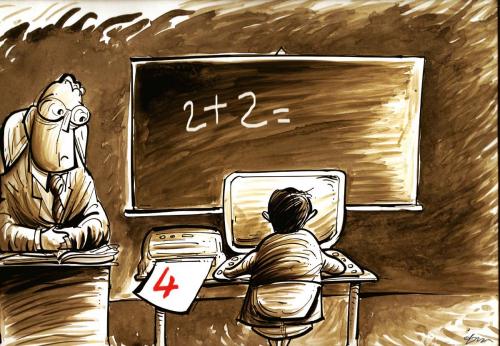
After researching some aspects of influential
technologies in classrooms, I came across a YouTube video from both the
MacArthur Foundation and the Pearson Foundation that clearly exposes the intent
of technology for teachers and students alike. The video examines aspects
that many of us are familiar with, but it does help to enrich the facets of learning
inside students' minds to teachers when examining the role that technology
plays in our students lives inside school and outside their school lives as
well. Students engage in technology not only for their own benefit, interest,
and enrichment but participate in technology and its various outlets as methods
for classification among the sea of sameness in our society. They like to
be challenged. They like to be defined by their abilities and also be explicit
in their uniqueness when being compared to others. Theses students and their
mastery of new abilities are the potential figureheads of future development in
various avenues such as civic and social interactivity, political and social
movements, creativity in its own rights, and the future of education as well.
Though we have learned many important qualities
that make up the distinct primary and secondary discourses within our lives,
this video engages students to connect those discourses in some loosely bound
fashions in attempt to bridge the present gap and start doing so by using
technology as a building block. It inspires students to gain literacy of
learning as well as standards and expectations that will allow them to better
incorporate technology in their lives as a basis for future development and
enrichment. This is also where we as teachers will provide the
necessary insight and encouragement to help further students achievements and
aspirations.
Technology and its immense impact is somewhat of a
vicious cycle that can be aimed toward either fruitful rewards for students as
well as futile goals simultaneously. Despite the video being posted onto
YouTube in 2010, it still provides insight of technology in a classroom as it
undergoes modifications as well as changes for better or worse. The
difficult aspects for us as educators will be defining the limit of technology
and where it will be most efficiently used within a classroom setting. It
is our responsibility to distribute some content knowledge, but also our
responsibility to know where formal learning takes place without technology or
its counterparts.
It is not just the aspect that these students have
learned and are now learning objectives that will help them reshape the world
that we live in, but they are also able to see the differences between the
learning processes that occurred in the 20th century and learning that is now
occurring in the 21st century. Various types of media are being revolutionized
around every corner and continue to be reinvigorated in classrooms each day. The
most important question posed within the video is the issues of how to link
outside learning of technology as a community experience into the formal
learning process inside the classroom. The learners of the 21st century are
able to see and reflect on technology as a backbone to their creativity,
as the incessant drive for their future endeavors, and as the definition of
their experiences in learning. It is critical and ever present that the
role of educators aims to foster a productive and healthy experience with
technology that will not only enrich learning but inspire our students as well.
--View the video below and see if you agree with how they feel education of technology is represented. Also examine the role teachers must play in response to the ever-growing cloud of technology as it storms in and out of the classrooms
Works Cited:
The 21st Century Learner Video:
http://www.youtube.com/watch?v=c0xa98cy-Rw&feature=related
Header Image:

No comments:
Post a Comment